
Limescale & Hard Water Filters
Much of the UK — particularly London, the South East and East Anglia — has hard water rich in calcium and magnesium. These minerals leave limescale on taps, kettles and glassware and affect the taste of your drinking water. Our under-sink limescale filters reduce scale-causing minerals at the point of use, so every glass from your tap is clearer and kinder to your appliances.
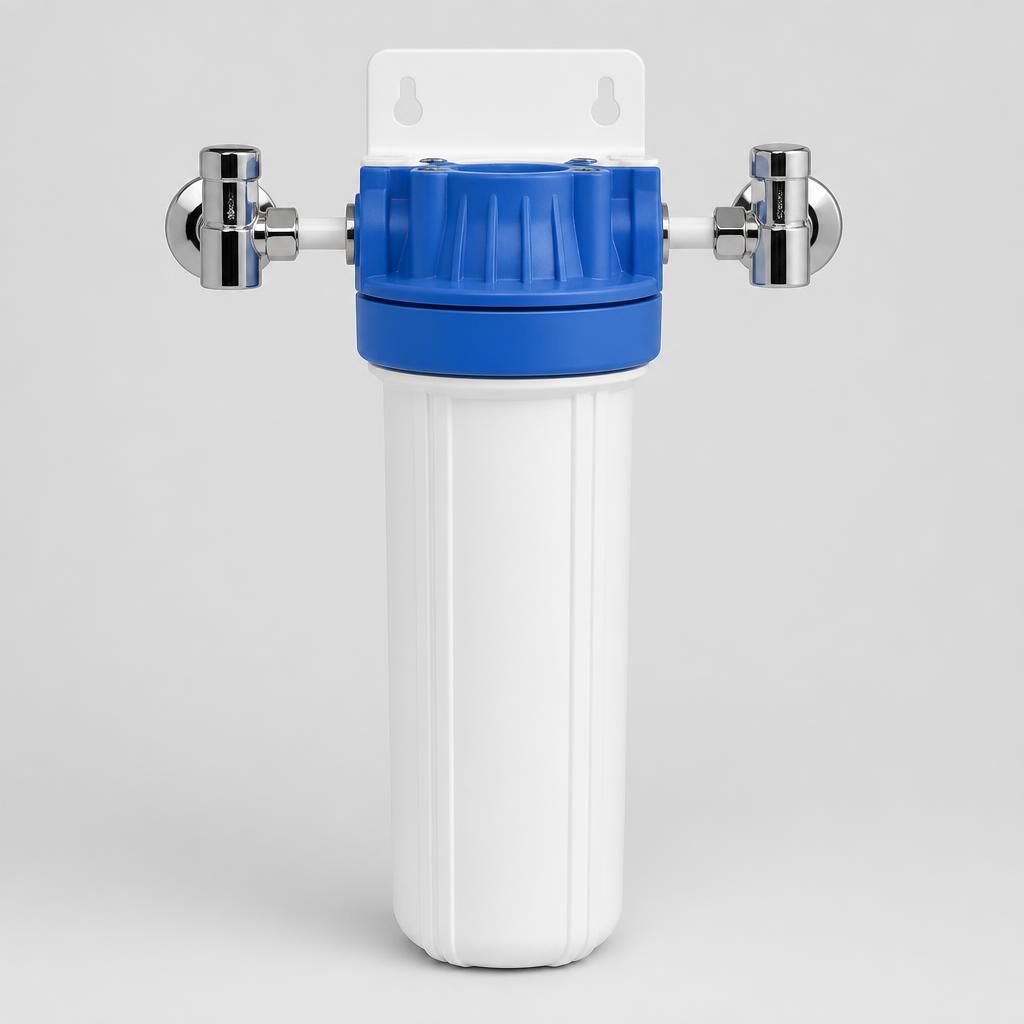 Limescale Filter
Clarisink Limescale Defender Under-Sink Filter
£119.00
VAT included
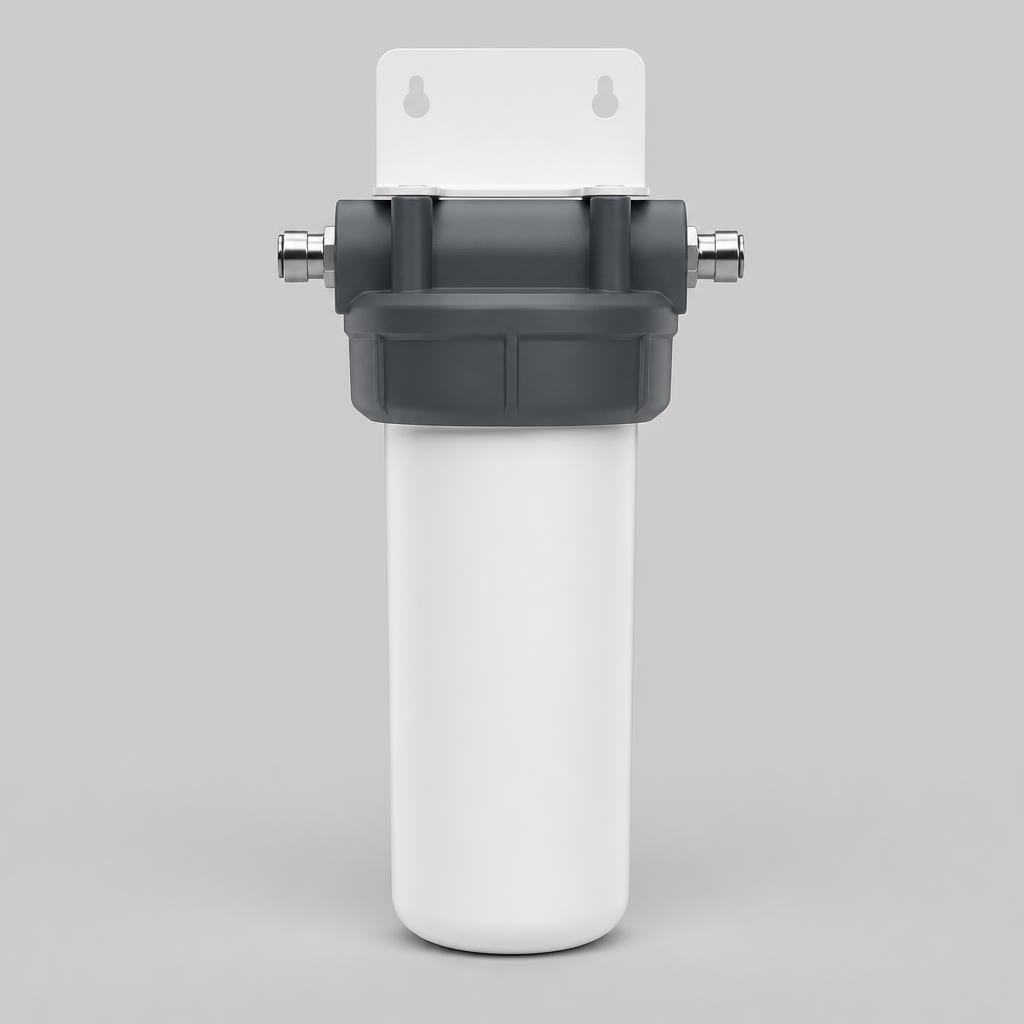 Limescale Filter
Clarisink Carbon Block Under-Sink Filter
£99.00
VAT included
Do you actually live in a hard water area?
Water above roughly 200 ppm calcium carbonate is classed as hard. That covers most of London, the South East, East Anglia and much of the Midlands. Tell-tale signs are a white crust inside the kettle, spotting on glassware and a film on the surface of hot drinks.
Point-of-use limescale filters treat the drinking water at your sink rather than the whole house, so they protect kettles, coffee machines and the taste of your water without the cost of a whole-house softener. Cartridges typically last around six months or 4,000 litres, shorter in the hardest regions.
Check your region on the UK hard water map and compare technologies in reverse osmosis vs carbon.
What hardness costs a household
Scale is not just cosmetic. A millimetre of deposit on a kettle element or an immersion heater measurably increases the energy needed to bring water to temperature, and in a chalk-fed supply that millimetre accumulates in months rather than years. Coffee machines suffer first because they combine heat, pressure and narrow waterways; boiler and shower components follow. Treating the kitchen outlet does not protect the whole system, but it protects the appliances households replace most often.
Taste is the other half of the story. Heavily mineralised water carries a chalky, slightly flat note that dulls tea and flattens filter coffee, and it reacts with the tannins in black tea to leave the familiar oily film on the surface of a mug. Pairing scale reduction with an activated carbon stage, as every filter on this page does, addresses the chlorine and the mineral character together rather than one at the expense of the other.
Sizing, fitting and service intervals
These systems mount to the cabinet side wall and tee off a standard 15mm cold feed, so no drain connection and no electricity are required. Allow around 350mm of clear height beneath the housing so the cartridge can be dropped out at service time, and fit an isolating valve if the supply does not already have one. In the hardest parts of London, Essex, Kent and Cambridgeshire plan on a cartridge every six months; in moderately hard Midlands supplies a full year is realistic.
After fitting, descale the kettle once so you are starting from a clean baseline, then flush the new cartridge with about ten litres to clear carbon fines. From that point the difference shows up as much slower deposit build-up rather than an overnight change, and glassware spotting usually improves within the first week.
Frequently asked questions
- Do I actually live in a hard water area?
- Around 60% of the UK does. Water is hardest across London, the South East, East Anglia and the Midlands, where supplies draw on chalk and limestone aquifers, and softest in Scotland, Wales, Cornwall and the North West. Your water company publishes a hardness figure by postcode; anything above roughly 200 mg/l as calcium carbonate counts as hard.
- Will a limescale filter stop scale in my kettle?
- It reduces it substantially at the tap it feeds. An under-sink scale-reduction filter treats the drinking and cooking water drawn from that outlet, so kettles, coffee machines and pans filled from it scale far more slowly. It does not treat the whole house — showers and washing machines would need a mains-fed softener.
- What is the difference between a scale inhibitor and a softener?
- A softener uses ion exchange to swap calcium and magnesium for sodium, physically removing hardness. A scale inhibitor conditions the minerals so they stay in suspension instead of bonding to hot surfaces. Inhibitors need no salt, no drain and no power, which is why they suit an under-sink installation in a rented or compact kitchen.
- Does removing limescale change the taste of the water?
- Yes, usually for the better. Our hard-water filters pair scale control with an activated carbon stage, so chlorine and the flat, chalky note that comes with heavily mineralised supplies are reduced at the same time. The water keeps its natural mineral content rather than tasting stripped.
- How long does a hard water cartridge last?
- Typically 6 to 12 months. In a very hard area with a family of four, plan on around 6 months; in moderately hard water a cartridge often runs the full year. Litres treated matters more than time elapsed, so a couple who drink less will get longer from the same cartridge.
- Is a limescale filter enough, or should I go for reverse osmosis?
- If your complaint is scale, cloudiness and taste, a hard-water carbon filter is the proportionate and cheaper answer. If you also want to reduce dissolved solids, nitrates, fluoride and lead, reverse osmosis removes far more but costs more, takes more cabinet space and produces some waste water.