
Water Filter Taps
Dedicated water filter taps deliver filtered drinking water through a separate faucet, keeping your main tap free for everyday use. Each model includes an under-sink filtration unit and is designed for easy DIY installation in UK kitchens.
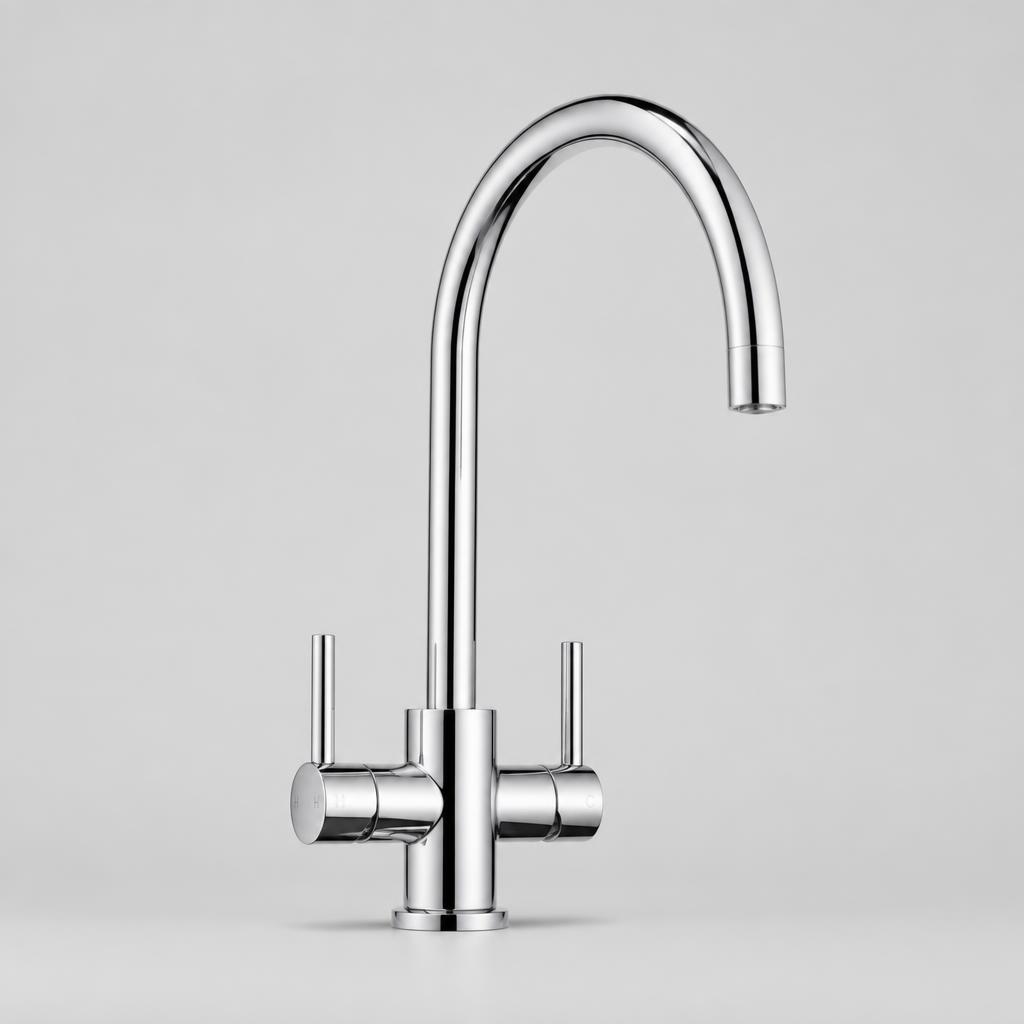 Filter Tap
Clarisink 3-Way Filter Tap – Chrome
£149.00
VAT included
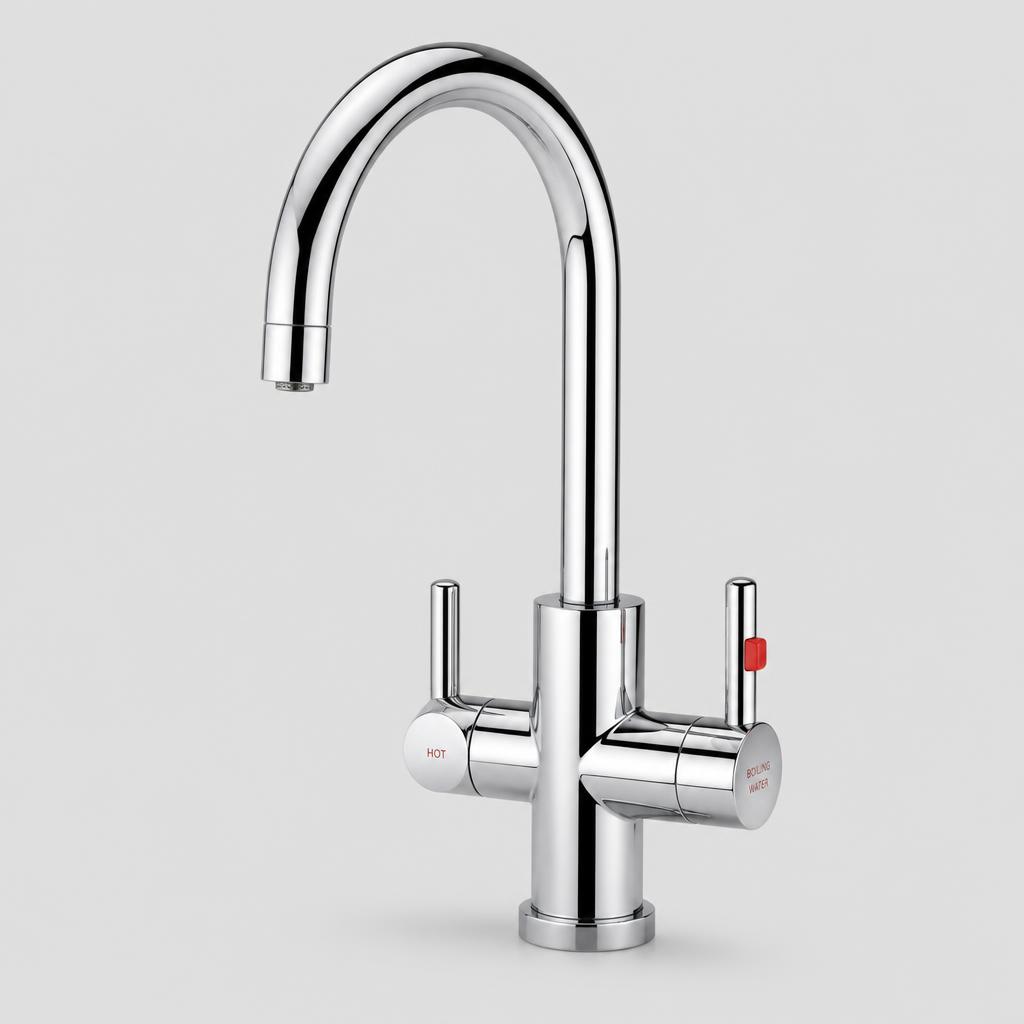 Filter Tap
Clarisink Boiling Water Tap
£299.00
VAT included
Choosing a filter tap for a British kitchen
A 3-way tap combines hot, cold and filtered water in one body, so you keep a single tap hole in the worktop. A dedicated second tap is cheaper and simpler to fit if your sink already has a spare hole or a blanking plug. Both connect to standard UK 15mm supplies.
In very hard water regions such as London, Essex and Cambridgeshire, a tap paired with a reverse osmosis unit removes far more scale-forming minerals than carbon alone. In soft-water areas, carbon filtration is usually enough to deal with chlorine taste and odour.
Read our UK buying guide or the step-by-step fitting walkthrough before you order.
Measuring up before you order
Most disappointments with a filter tap come down to measurements taken after the box arrives rather than before. Start with the deck: the standard UK tap hole is 35mm, and every tap on this page is sized for it, but older ceramic sinks and some granite worktops were cored at 32mm and need enlarging by a fitter. Check the depth of the cabinet too — the filter housing needs roughly 350mm of clear height to allow the cartridge to be withdrawn downwards at service time, which is easily lost to a waste trap or a pull-out bin frame.
Next, look at the pipework. A tap feed taken from an existing isolating valve is a ten-minute job; a bare copper run with no valve means fitting one first, and that is the point at which some households call in a plumber. If your kitchen is on a gravity-fed system rather than mains pressure, tell us before you order: low static pressure suits carbon filtration but will not drive an unpumped reverse osmosis membrane properly.
Finish, ergonomics and everyday use
Brushed steel hides watermarks better than polished chrome, which is worth knowing in a hard water region where every splash dries to a white speck. Matt black looks striking against pale stone but shows limescale most clearly of all, so pair it with a scale-reduction cartridge if you live in the South East. Spout height matters more than most product photos suggest: a swan-neck body clears a tall water bottle comfortably, while a low-profile spout suits a window sill that drops behind the sink.
Day to day, the filtered channel is used for drinking water, kettles, coffee, cooking and pet bowls, and the mains channel handles washing up. Keeping that separation is what stretches a cartridge across a full service interval instead of exhausting it in a few months, and it is the reason an under-sink tap works out cheaper per litre than a jug filter despite the higher upfront cost.
Frequently asked questions
- Will a filter tap fit my existing UK kitchen sink?
- Both styles connect to a standard 15mm cold supply and an isolating valve under the sink. A dedicated filtered-water tap needs a spare 35mm tap hole or a blanking plug in the worktop or sink deck; a 3-way tap replaces your existing mixer entirely and uses the hole you already have. Granite and composite worktops can be cored, but that is usually a job for a fitter.
- 3-way tap or a separate filtered tap — which is better?
- A 3-way tap keeps the worktop uncluttered because hot, cold and filtered water all come from one body, and it keeps filtered water on a separate internal channel so it never mixes with mains water. A separate tap costs less, is quicker to fit, and lets you keep a mixer you already like. If you are replacing a tired mixer anyway, the 3-way is usually the better spend.
- Does the tap include the filter, or do I buy that separately?
- Every filter tap we sell is supplied with its under-sink filtration housing, cartridge, hoses and fittings, so you get a complete working system in one box. Replacement cartridges are stocked separately and are matched by model, so you are not tied to a proprietary subscription.
- How often does the cartridge need changing?
- Carbon cartridges in a filter tap typically run 6 to 12 months for a household of four. In very hard water areas such as London, Kent and Cambridgeshire, expect the shorter end of that range. A noticeable drop in flow or a return of chlorine taste is the practical signal to change it.
- Can I fit a filter tap myself?
- Most customers do. The work involves turning off the cold supply, fitting the tap to the sink deck, mounting the filter housing to the cabinet wall and connecting push-fit hoses to a self-piercing or T-piece valve. Allow around an hour. If your pipework is old copper with no isolating valve, get a plumber to add one first.
- Does a filter tap reduce water pressure?
- Filtered flow runs at roughly 2 to 4 litres per minute, which is slower than a mains cold tap by design — the water needs contact time with the carbon media. Your hot and cold flow on a 3-way tap is unaffected because those channels bypass the filter.