
Replacement Cartridges
Filter cartridges lose effectiveness over time as they trap more contaminants. We recommend replacing your cartridge every 6 months for carbon filters and every 2–3 years for reverse osmosis membranes. Shop genuine replacements matched to your system below.
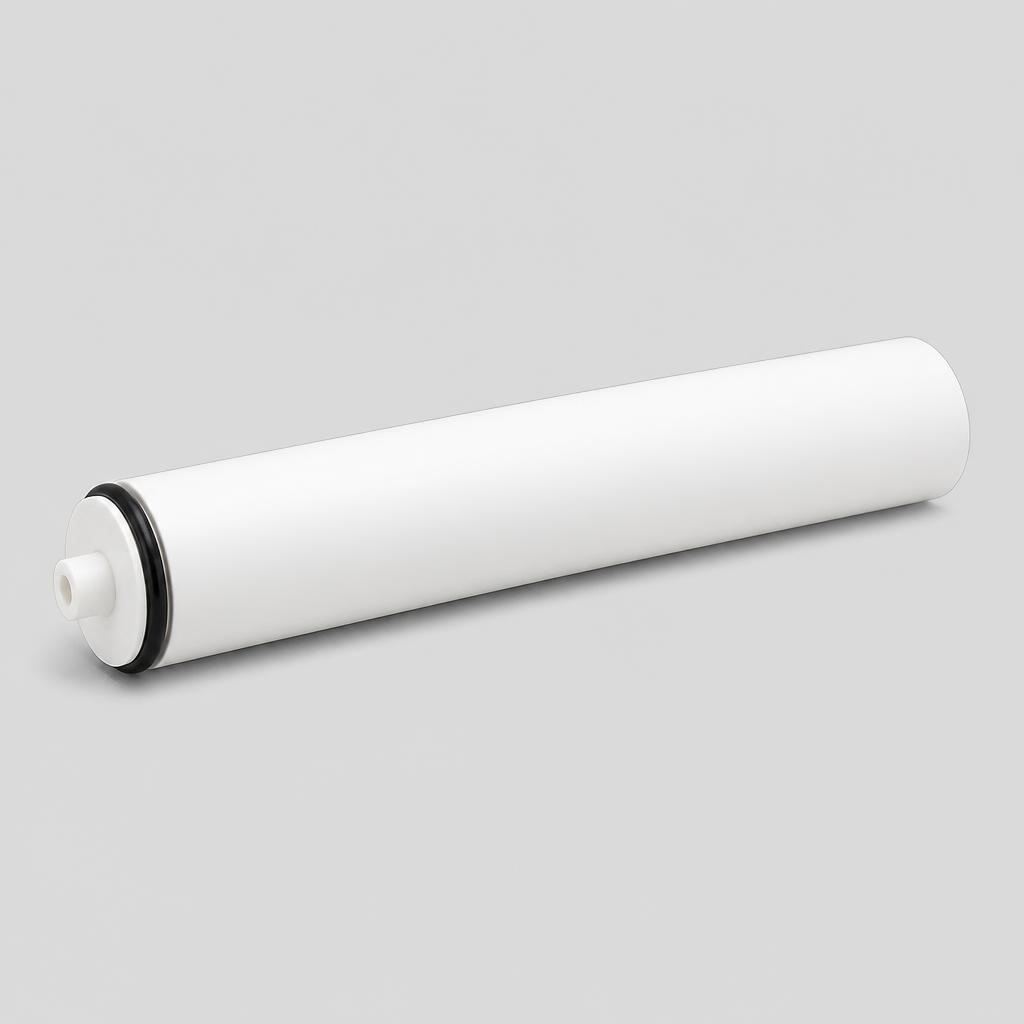 Cartridge
Clarisink RO Membrane Cartridge (fits RO-300, RO-400, RO-500)
£34.99
VAT included
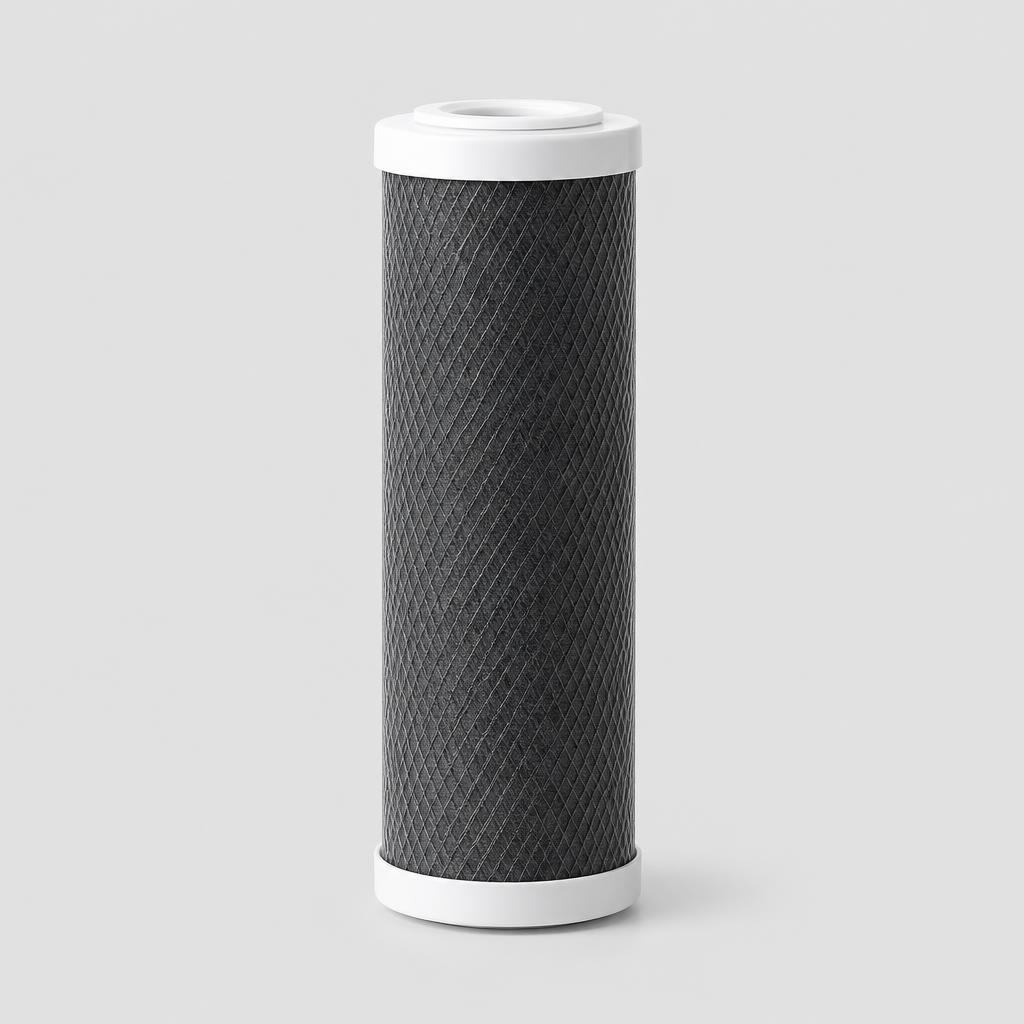 Cartridge
Clarisink Carbon Block Cartridge
£19.99
VAT included
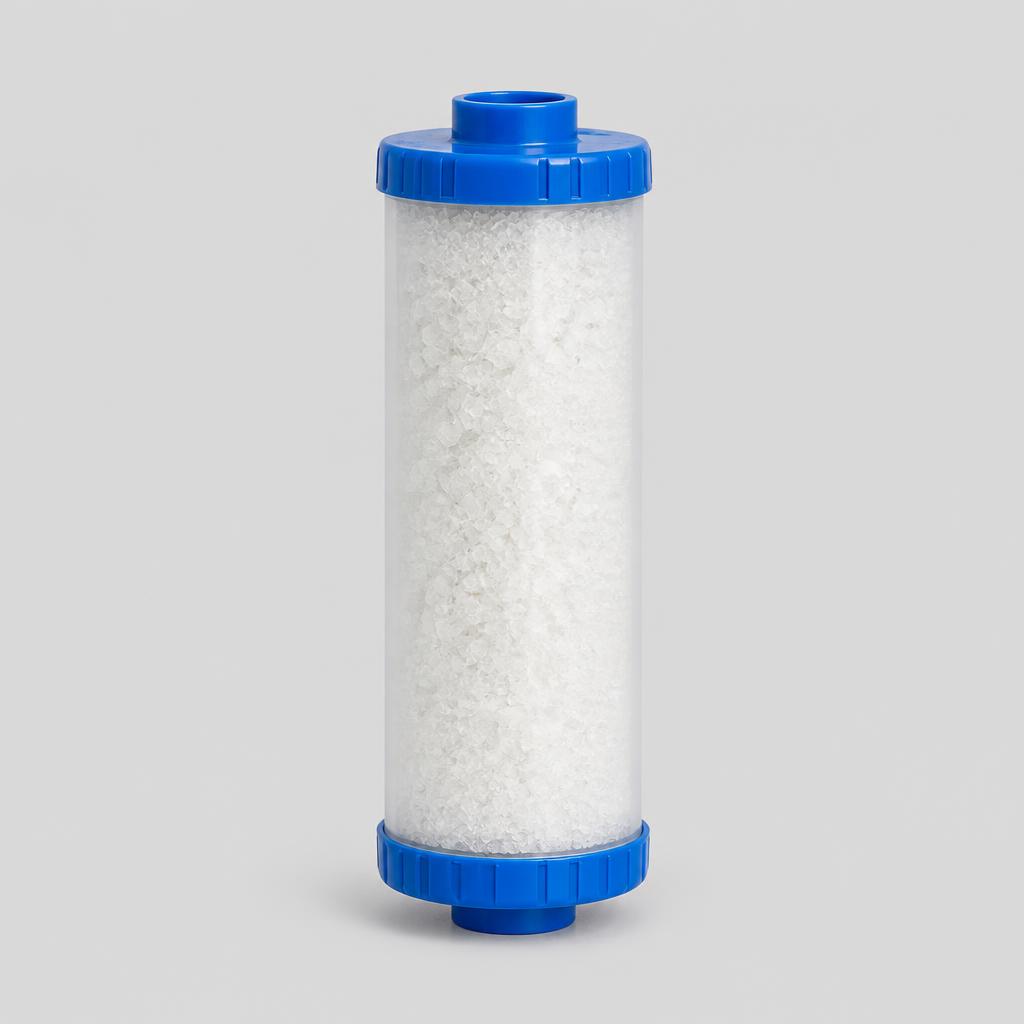 Cartridge
Clarisink Limescale Inhibitor Cartridge
£24.99
VAT included
When to change a water filter cartridge
A carbon block element is spent after roughly 4,000 litres or six months, whichever comes first. Reverse osmosis membranes last two to three years, but the pre- and post-filters around them still need changing on the six-month cycle. Hard water shortens every interval.
The usual warning signs are a slower flow at the filtered tap, the return of a chlorine smell, or cloudiness in a freshly poured glass. All our elements use standard UK 15mm push-fit or compression fittings and swap out in a few minutes with the supply isolated.
Full detail is in our guide on how often to change a filter cartridge.
Litres, not months: how cartridge life is really measured
Manufacturer intervals are quoted in months because that is easier to remember, but the media itself has no sense of time — it has a capacity. A carbon block rated at 4,000 litres will reach that figure in around six months in a family of four filling kettles, pans and water bottles from the filtered tap, and in closer to a year for a couple who drink a couple of litres a day. Water hardness shifts the same figure again, because mineral-rich supplies load the outer sediment layer faster and restrict flow before the carbon is chemically exhausted.
That is why the practical signals matter more than the calendar. A filtered flow that has dropped noticeably from its original rate, a faint return of chlorine on the nose, or water that no longer tastes different from the mains tap all point to a spent element. None of these arrive suddenly; performance tails off gradually, which is exactly why a spare cartridge in the cupboard is worth more than a reminder on the fridge.
Fitting and flushing a new element
Isolate the cold feed, open the filtered tap to release pressure, unscrew the housing and lift out the old cartridge. Wipe the housing, lightly grease the O-ring with food-grade silicone so it seats cleanly, drop the new element in and hand-tighten. Restore the supply, check the joint for weeping, then run about ten litres through the filtered tap. That flush clears loose carbon fines and trapped air — the reason the first glasses often look milky — and takes roughly five minutes.
Reverse osmosis systems follow the same routine for their pre-filters, but the membrane is a longer cycle at two to three years. Changing the pre-filters on schedule is what protects that membrane: sediment and chlorine reaching the membrane surface will foul it early, and a membrane costs several times what the cartridges guarding it do. Writing the fitting date on the housing in marker pen is the cheapest maintenance record there is.
Frequently asked questions
- How do I know which cartridge my system takes?
- Match the cartridge to the model name printed on the filter housing or on the label inside the cabinet door — for example an RO-400 takes the RO-400 membrane and its matching pre-filter. If the label has worn off, measure the cartridge: most of our carbon blocks are the standard 10-inch format, while RO membranes are model specific.
- How often should cartridges be replaced in UK water?
- As a rule of thumb: sediment and carbon pre-filters every 6 months, carbon blocks every 6 to 12 months, and reverse osmosis membranes every 2 to 3 years. Hard water shortens all of these. Households in London, Essex, Kent, Suffolk and Cambridgeshire should plan on the shorter interval; soft-water areas such as Scotland, Wales and Cornwall can usually run to the longer one.
- What happens if I leave a cartridge in too long?
- An exhausted carbon cartridge stops adsorbing chlorine and taste compounds, so water quality quietly returns to mains level, and the spent media can shed captured particles back into the flow. Flow rate also drops as sediment clogs the outer layer. Changing on schedule is cheaper than replacing a fouled membrane.
- Are these genuine cartridges or generic copies?
- They are the manufacturer-matched cartridges for the systems we sell, with the same media grade and micron rating as the ones supplied in the original box. We do not substitute unbranded refills, because a cheaper carbon block with a coarser rating changes what the system actually removes.
- Do I need to sanitise the housing when I swap a cartridge?
- Not every time, but it is good practice once a year. Turn off the cold feed, release the pressure at the filtered tap, unscrew the housing, wash it in warm soapy water, rinse thoroughly and refit with a lightly greased O-ring. Then run the filtered tap for 5 to 10 minutes to flush carbon fines before drinking.
- Is delivery free on cartridges?
- Yes. Free UK mainland delivery applies to every order including single cartridges, with no minimum spend, and all prices include VAT at 20%.